Sustaining Change for Generations
Our commitment goes beyond immediate relief. We build lasting solutions that communities can maintain, expand, and pass on to future generations, ensuring sustainable development that endures.
Sustainability in Action
Our approach to sustainability is holistic, addressing social, environmental, and economic factors that contribute to long-term success. We work with communities to build systems that are not only effective today but will continue to serve future generations.
Our Sustainable Programs
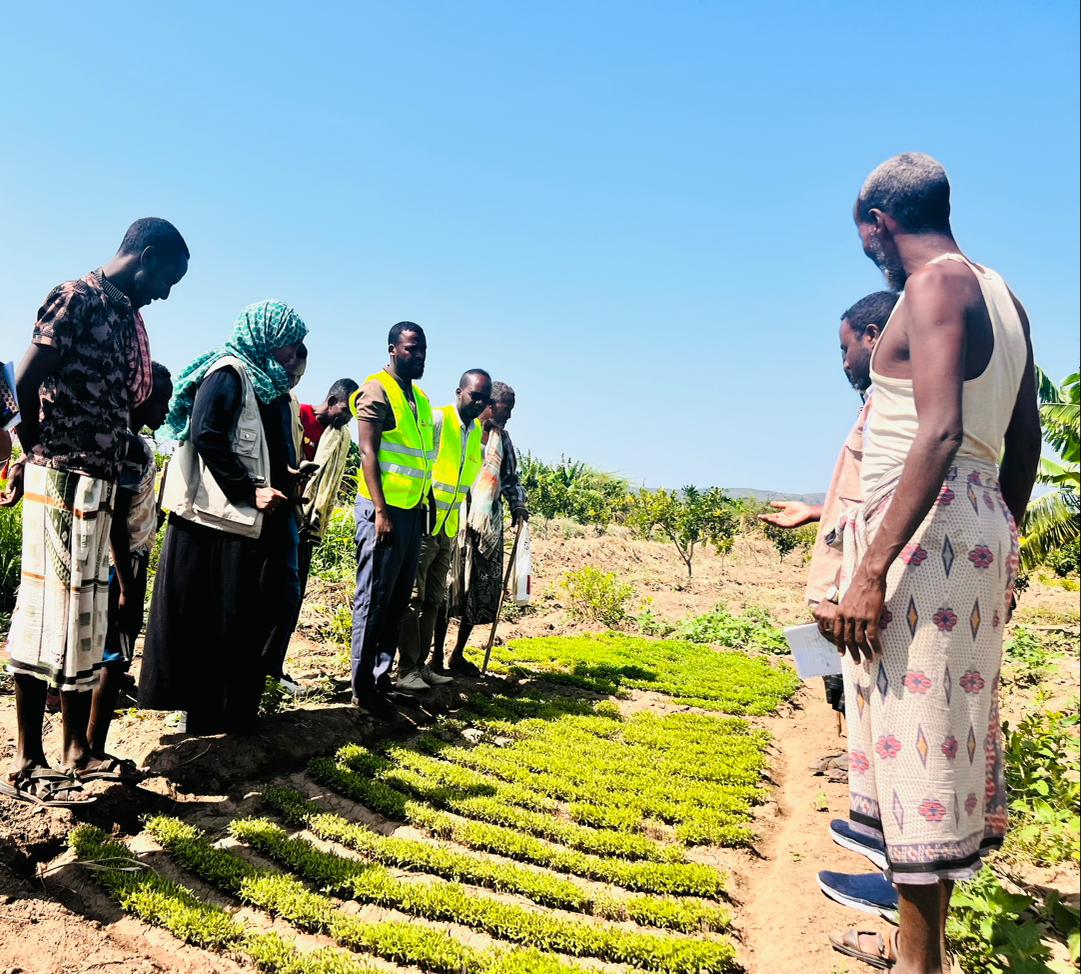
Climate-Smart Agriculture
We help farmers adapt to climate change while increasing productivity and protecting the environment. Our programs focus on sustainable farming practices that improve yields, conserve water, and build soil health.
Increased Yields
Farmers see 40-60% increase in crop yields using sustainable techniques
Water Conservation
Drip irrigation and rainwater harvesting reduce water usage by 50%
Soil Health
Organic farming practices improve soil fertility and reduce erosion
Community Water Management
Sustainable water systems with local management committees, maintenance training, and revenue generation for long-term operation.
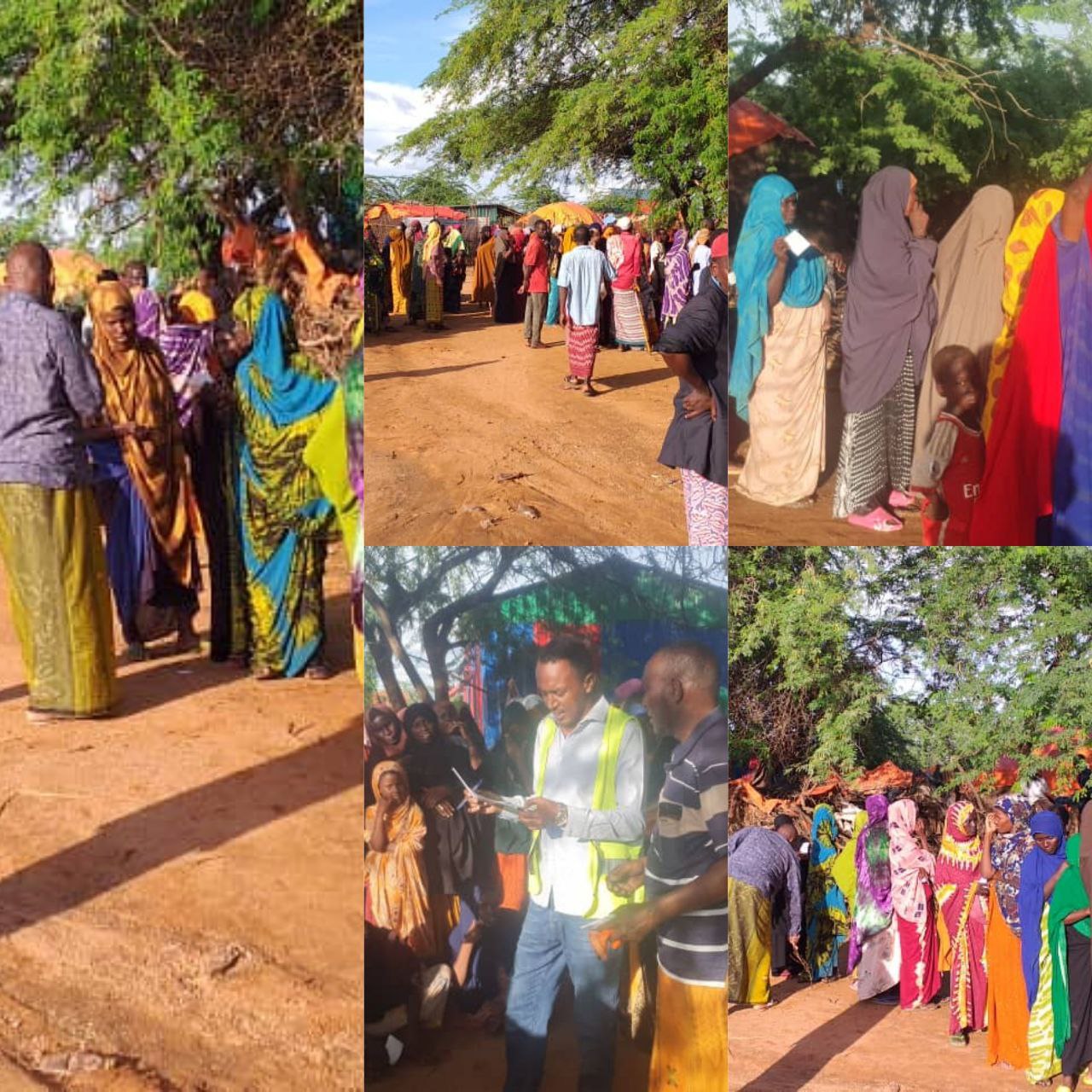
Community Health Systems
Training local health workers and establishing health committees that continue to serve communities with ongoing support and resources.
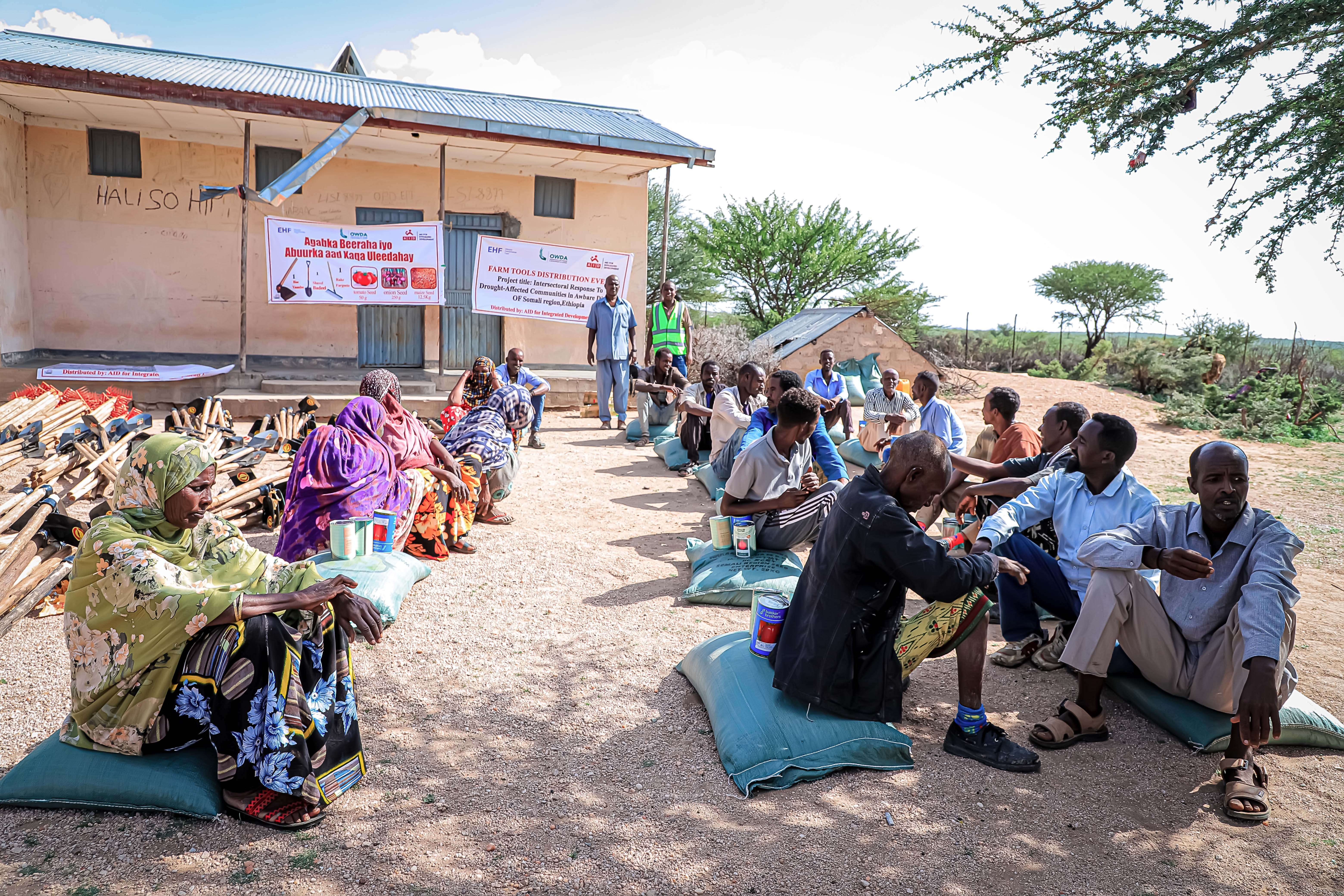
Sustainable Education
Building schools with community involvement, training local teachers, and establishing parent-teacher committees for ongoing support.
Economic Empowerment
Supporting cooperatives, savings groups, and small businesses that create ongoing income and economic opportunities for communities.
Measuring Long-term Impact
Beyond Project Completion
True sustainability means impact that continues and grows over time. We track our programs for years after completion, measuring not just immediate outcomes but long-term changes in communities.
5-Year Follow-up Studies
Comprehensive assessments of program sustainability and community-led improvements
Community Feedback Systems
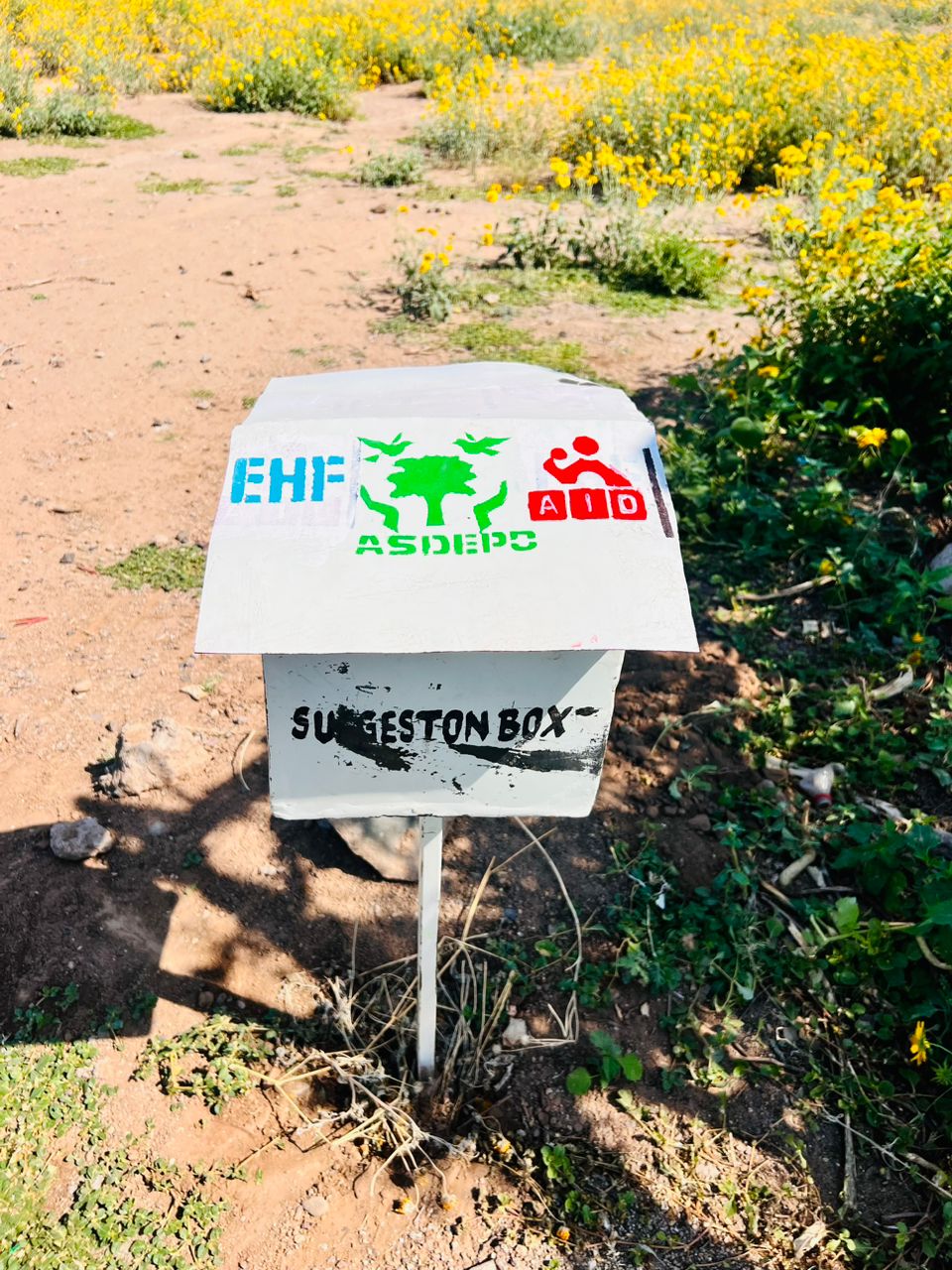
Ongoing communication channels for communities to share progress and challenges
Impact Measurement Framework
Standardized metrics tracking social, economic, and environmental outcomes
Sustainability Metrics
Invest in Sustainable Change
When you support AID, you're not just funding a project – you're investing in sustainable solutions that will benefit communities for generations to come.